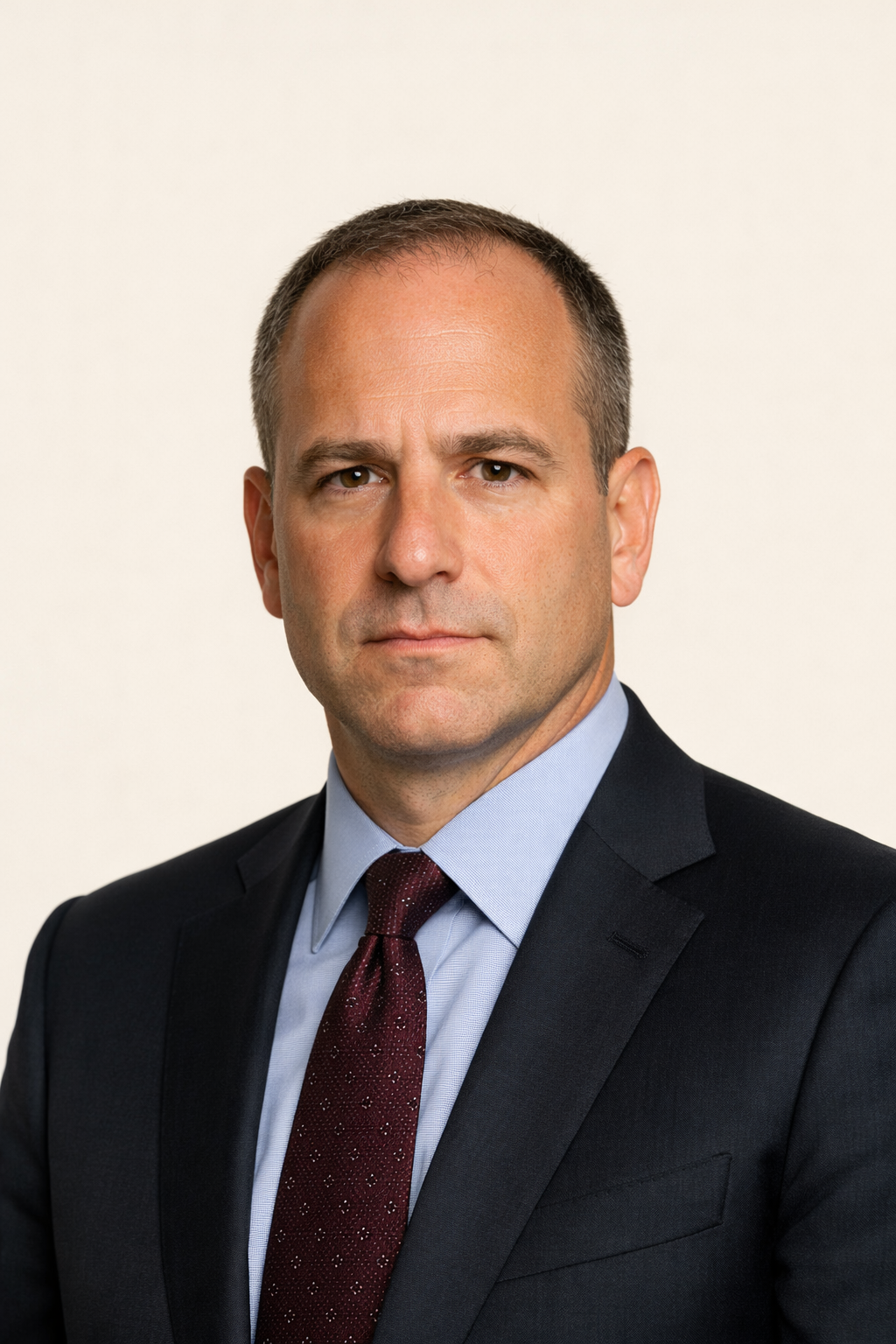
Todd Blanche
Confirmed a month ago, he is prosecuting on every front, from illegal voters and ballot dumpers to a $2 million Hamas finance network, while a federal chief judge has personally enjoined him over a fired prosecutor.
A month after confirmation, Todd Blanche is prosecuting on every front. This week DOJ arrested six men in a joint action with Treasury against a network that allegedly moved over $2 million to Hamas, indicted a Utah postal worker who dumped 300 ballots, and let stand a ruling striking down suppressor registration, with an Oct. 12 deadline to tell nine states whether it covers all their residents.
Elections lead the docket: 10 foreign nationals indicted for illegal voting in Minnesota, 90 noncitizens charged with election crimes in all since last year, 30 states sued for voter-roll data. He blames states that "chose not to look into it" and, after the Supreme Court blocked mail-ballot screening, says DOJ will comply while the work continues.
The bench is pushing back. Chief Judge Stanley Bastian ordered court-appointed U.S. Attorney Roger Rogoff reinstated after Trump fired him by email and personally barred Blanche from removing him again. Blanche's answer: "District court judges can appoint a temporary U.S. Attorney, and POTUS can fire them." He has gone on offense, filing a misconduct complaint against seven Minnesota federal judges over New York Times interviews, saying their conduct has undermined public confidence in an impartial judiciary.
Trump has tasked Blanche with reviewing the inspector general report on roughly $1 billion in Fed headquarters renovation overruns as he builds a for-cause case against Chair Jerome Powell and two other governors.
His own file is filling. He owes Sens. Elizabeth Warren and Richard Blumenthal answers by Oct. 5 on whether politics drove the dropped Adani bribery case, and a House majority backs forcing a vote on letting Epstein files victims sue him. He shrugs off the Hatch Act complaint over his GOP appearances: he will always speak when the president asks. On AI, his line: "We're prosecutors, not regulators."
On their plate
Blanche has indicted 10 foreign nationals for illegal voting in Minnesota's 2022 and 2024 elections and its August 2026 primary, bringing noncitizens charged with election crimes under the administration to 90 since last year; a Utah postal worker faces a separate indictment for dumping 300 primary ballots, a case Blanche and Acting Deputy AG Trent McCotter cast as a threat to electoral integrity. The drive runs jointly with DHS Secretary Markwayne Mullin's agency, which is investigating over 1,600 voter fraud cases with 300,000 pending, though the alleged illegal votes tallied in Minnesota are a vanishingly small share of the total vote. After the Supreme Court blocked mail-ballot screening, Blanche says DOJ will comply while the work continues, including suits against 30 states over voter-roll data and preservation orders covering 29 states plus D.C., and he blames states he believes "probably even knew about it, chose not to look into it."
Blanche filed a judicial misconduct complaint against seven Minnesota federal judges, including Judges Patrick Schiltz and John Tunheim, over their New York Times interviews about Operation Metro Surge, and is seeking their recusal from all DHS cases. He says their conduct "has undermined public confidence in an impartial judiciary in Minnesota" and that DOJ had "no choice but to act to defend not only our prosecutors, but also DHS." Schiltz has publicly defended his remarks as protected advocacy for the rule of law and previously ruled that ICE violated nearly 100 court orders.
Chief Judge Stanley Bastian ordered court-appointed U.S. Attorney Roger Rogoff immediately reinstated after Trump fired him by email and personally enjoined Blanche from taking further actions to terminate him; DOJ contends the firing fell within executive power and will appeal, and Trump has nominated Pete Serrano to the post. A federal appeals court has paused the third-country deportation program for denying migrants a meaningful chance to challenge removal, and the administration plans a Supreme Court appeal, with Blanche defending the program as a legal tool to stem illegal immigration. DOJ also declined to appeal a ruling striking down suppressor and short-barreled-rifle registration requirements, leaving a two-tier system and an Oct. 12 deadline to tell nine states whether the injunction covers all their residents, as GOP lawmakers press Blanche to extend the ruling nationwide by rulemaking.
Blanche faces an October 5 deadline to answer Sens. Elizabeth Warren and Richard Blumenthal on whether political influence, possibly from Donald Trump Jr. or Trump personal lawyer Boris Epshteyn, drove DOJ's August dismissal of the bribery case against Indian billionaire Gautam Adani, which a New York federal judge called "highly unusual." Reps. Ro Khanna and Thomas Massie have hit 218 signatures on a discharge petition to force a vote on a bill letting Epstein files victims and state prosecutors sue the attorney general over unlawful redaction or withholding, though Speaker Mike Johnson delayed the vote by sending the House into a six-week recess; Blanche still faces potential contempt proceedings. He answers a Public Citizen Hatch Act complaint over partisan GOP appearances by saying "I will always say yes to speak when the president of the United States asks me to," and Sen. Bernie Sanders, Rep. Bobby Scott and Rep. Jamie Raskin have formally demanded that he and FBI Director Kash Patel probe thousands of apparently fake public comments, including names of deceased individuals, backing the administration's 401(k) alternative-investment rule.
Trump has tasked Blanche with reviewing the inspector general report on roughly $1 billion in Federal Reserve headquarters renovation overruns, part of the president's effort to build a for-cause case against Chair Jerome Powell and two other Fed governors. Blanche says the Florida-based probe into whether Trump was targeted by a criminal conspiracy, covering the 2017 Russian-interference findings and Jack Smith's classified-documents and 2020-election investigations, will continue after prosecutor Joseph DiGenova resigned: "we're not going to slow down just because somebody leaves." FHFA Director Bill Pulte reportedly examined Blanche's own mortgage records last year amid a fight over investigations of Trump rivals, and officials suggest the review was used to press DOJ to accelerate probes of Sen. Adam Schiff, New York AG Letitia James and Fed governor Lisa Cook; Pulte's lawyer denies Blanche's files were reviewed.
Key relationships
Blanche runs DOJ as the president's law firm: defending Trump's firing of U.S. Attorney Roger Rogoff, taking on the Fed inspector general review, and saying he will always speak when the president asks.
Blanche is reviewing the inspector general report on Fed headquarters renovation overruns as Trump builds a for-cause case to remove Powell and two other governors.
Cabinet partner on the election-crime drive, with Mullin's DHS investigating over 1,600 voter fraud cases and 300,000 pending alongside DOJ's prosecutions.
The chief judge ordered Rogoff reinstated and personally barred Blanche from taking further actions to terminate him; DOJ will appeal.
Treasury partner in the Hamas finance takedown: Bessent sanctioned three individuals and two French charities while Blanche's DOJ unsealed an indictment and arrested six men on material-support and money-laundering charges.
Blanche is fighting the court-ordered reinstatement of the prosecutor his department moved to push out, arguing the president can fire a court-appointed U.S. attorney.
Warren and Sen. Richard Blumenthal set an October 5 deadline for Blanche to answer whether political influence, possibly from Donald Trump Jr. or Boris Epshteyn, drove the dropped Adani bribery case.
The FHFA director reportedly examined Blanche's mortgage records last year amid a fight over investigations of Trump rivals, which officials suggest was used to press DOJ toward probes of Sen. Adam Schiff, Letitia James and Lisa Cook; Pulte's lawyer denies it.
Khanna and Rep. Thomas Massie hit 218 signatures on a discharge petition to force a vote on a bill letting Epstein files victims and state prosecutors sue the attorney general over unlawful redaction or withholding.
The Washington senator has vowed to block Trump's nomination of Pete Serrano to the U.S. attorney post at the center of the Rogoff fight by every available tool.
