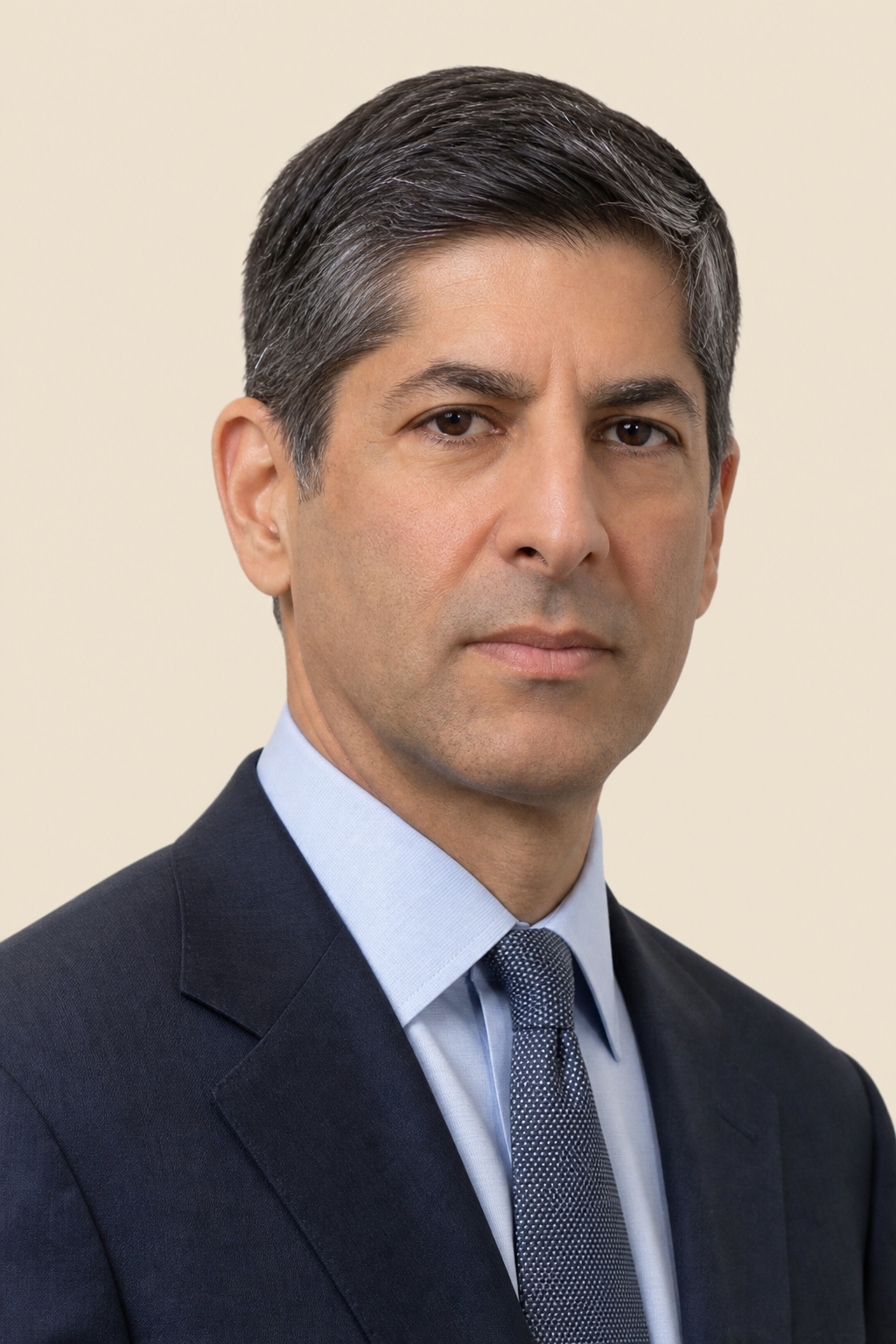
Kevin Warsh
At the IMF meetings in Bangkok he signaled a late-October hike is unlikely and told traders not to expect hints on his moves for the rest of 2026; markets cut the odds of one to 14 percent.
Kevin Warsh used the Bangkok IMF meetings to tell markets what not to expect. The Fed chair said a late-October rate hike is unlikely, disavowed forward guidance, and warned listeners not to believe signals about his moves for the rest of 2026. Traders cut the odds of an increase at the October 27-28 meeting to 14 percent, from about 52 percent after this week's inflation surprise, and global stocks rose.
The data behind that calm is hot. September CPI accelerated to 3.7 percent from 3.4 percent on a gasoline spike tied to the Iran war, with producer prices up 6.3 percent, and Warsh concedes inflation is too high and has been for too long. He framed September's hike, the first in three years, as removing a dose of accommodation, has kept further increases on the table, and suggests AI technology might eventually help stabilize prices.
His committee splits on urgency. The September move was unanimous but the reasoning divided, most participants still expect another increase by end-2026, and after a weak jobs report John Williams sees no need for urgency while Christopher Waller wants more tightening, just not at consecutive meetings.
Bond markets are doing part of his work, and testing him. He has suggested rising yields may diminish the need for aggressive hikes, though critics warn that could cost the Fed credibility. The 30-year Treasury yield sits at a 24-year high, his hikes are compounding stress on debt-heavy AI data-center firms, and his task force to shrink the balance sheet runs into a Treasury debt wall that analysts say could force him to expand it instead.
Politically, Trump attacked the Fed board over mortgage rates but called Warsh great, while Peter Navarro accuses him of election interference for the September 16 hike, 48 days before the midterms.
On their plate
His fireside chat at the IMF event drew investors watching for October-meeting signals after a week of upside data surprises, with Asian currencies consolidating and the dollar firming ahead of it. He said a late-October hike is unlikely, rejected forward guidance outright, and told the audience not to believe any signaling about what he might do at meetings for the rest of 2026. Traders cut the odds of an October 27-28 move to 14 percent, from a post-CPI peak near 52 percent, and global stocks and U.S. futures rose.
September CPI accelerated to 3.7 percent from 3.4 percent on a 9.1 percent gasoline jump tied to the Iran war and attacks on oil infrastructure, with producer prices at a 6.3 percent annual rate, and Warsh says the plain fact is that inflation is too high and has been for too long. He frames September's hike, the first increase in three years, as removing a dose of accommodation, keeps further hikes on the table, suggests AI technology might eventually help stabilize prices, and warns that high AI spending and rising energy costs are themselves a shock to the economy. At the G-20 sessions he called a U.S. massive investment surge probably the most important positive development in the global economy, the consequence of good policy, while acknowledging central bankers' shared concern about simultaneous price surges.
The September 15-16 hike to 3.75-4.00 percent passed unanimously but the rationale split, with some participants seeing insurance against energy shocks and others demand-driven inflation, and most expect another increase by end-2026. September's jobs report was weak at 29,000 new positions. John Williams argues there is no need for urgency while Christopher Waller says more hikes are needed, though not necessarily at consecutive meetings.
He has joined Bank of England and ECB policymakers in suggesting rising bond yields and derivatives-market pricing may diminish the need for aggressive hikes, since debt markets are raising borrowing costs on their own, a stance critics warn could endanger central-bank credibility if official tightening never comes. The 30-year Treasury yield hit a 24-year high of 5.7041 percent, his hikes toward the 2 percent target are compounding stress on heavily indebted AI infrastructure firms, and investors dumped AI and chip stocks this week on expectations he will tighten to curb private-credit mania, with some pricing short-term rates as high as 6 percent. He has responded with a task force to shrink the balance sheet, a project analysts warn could be forced into reverse by the Treasury's debt wall as Bessent keeps shortening debt maturities.
Trump, with 30-year mortgage rates near a three-year high, attacked the Federal Reserve Board for wanting the country to do badly because rates should come down, but exempted Warsh, calling him great. Peter Navarro accuses Warsh of election interference, saying the September 16 hike, authorized 48 days before the midterms, was politically motivated given the weak jobs report and violated the rule against hiking during an oil shock before second-round effects appear. Jim Cramer voices confidence in Warsh's resolve to keep rates high to hit 2 percent inflation regardless of presidential pressure, and sees that commitment pushing 30-year Treasury yields toward 6 percent and threatening housing.
Key relationships
Trump attacks the Fed board over rates but spares its chairman personally, calling Warsh great.
Navarro accuses Warsh of midterm election interference over the September 16 rate hike.
