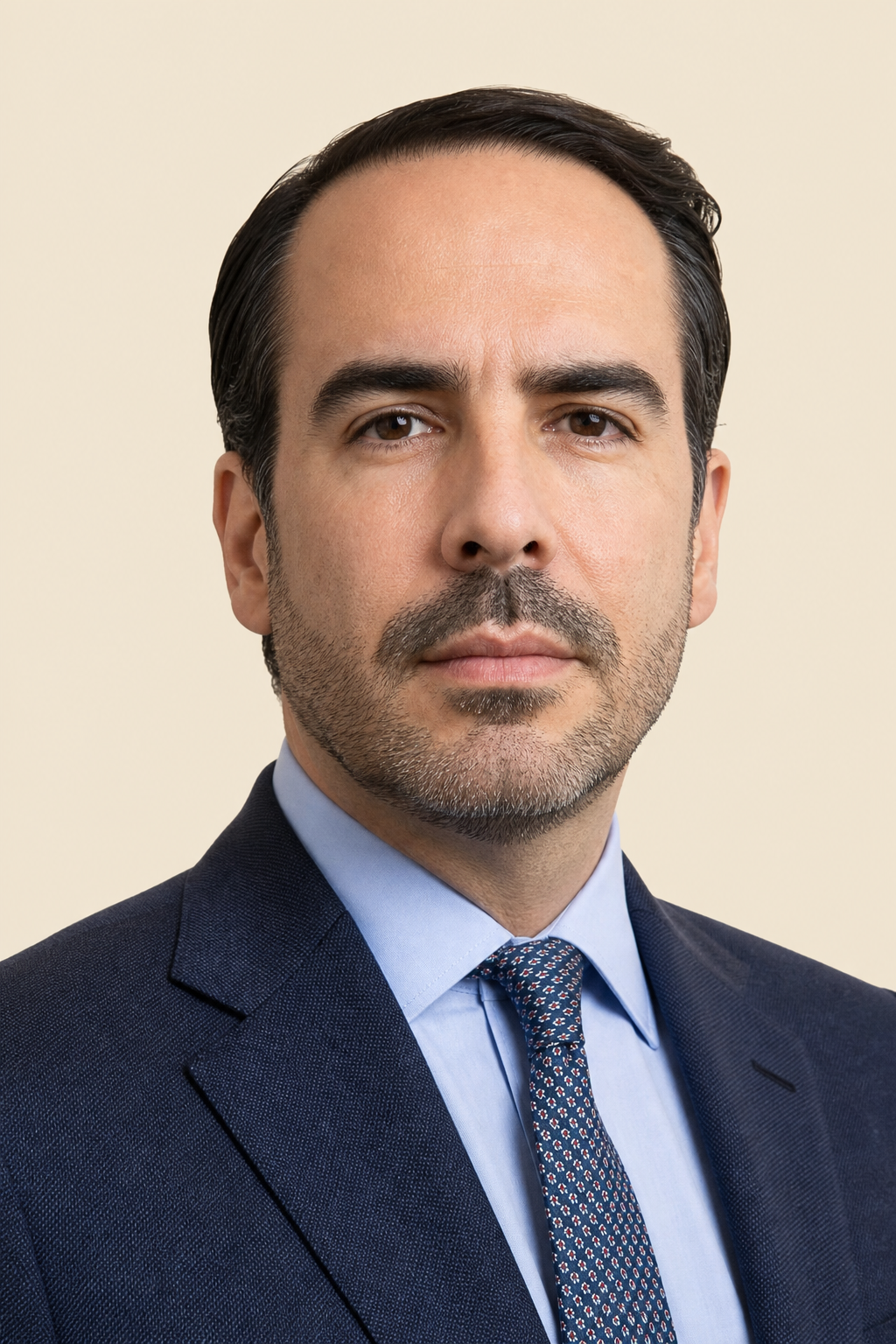
Abelardo de la Espriella
Took office Aug 7 after a contested runoff; launched military operations against armed groups, joined the U.S. anti-cartel alliance, restored Israel ties, and ordered mass migrant deportations. Now managing earthquake fallout and market enthusiasm for his austerity agenda.
Abelardo de la Espriella is barely three weeks into Colombia's presidency and already remaking the country's security, diplomatic, and economic posture. His most recent move came Aug 24: a "Colombia First" immigration crackdown ordering deportations of undocumented migrants, primarily Venezuelans, with criminals prioritized and removals set to begin this week.
The Aug 17 earthquake that killed at least 289 people and destroyed over 14,000 homes has tested his crisis management. He declared a national disaster, asked the Trump administration to temporarily suspend tariffs on Colombian products, and announced rent subsidies for victims. The U.S. committed $26.5 million in disaster aid but has not answered the tariff request. He has drawn domestic backlash for distributing footballs branded with his campaign slogan to survivors, and his housing minister faces a no-confidence motion after vacation photos surfaced during recovery.
On security, de la Espriella launched military operations against FARC dissidents, the ELN, and the Gulf Clan within a day of taking office, transferring 117 peace-talk prisoners to maximum-security prisons. He joined the U.S.-led Shield of the Americas anti-cartel alliance, requested joint American military operations, and offered to host U.S. troops, backed by $1 billion in security assistance. He is the only regional leader who actively sought expanded U.S. military presence on his soil.
Diplomatically, he restored ties with Israel on Aug 8, moved Colombia's embassy to Jerusalem, recognized Israeli sovereignty over the Golan Heights, and recognized Moroccan sovereignty over Western Sahara while severing relations with Cuba and Nicaragua. He pledged to shrink the state up to 40%, cut spending, and revive oil and gas.
Markets have rewarded the pro-market, austerity agenda: the peso is the best-performing emerging-market currency in 2026, up roughly 19 to 21 percent, and the local corporate bond market has rebounded, with Pimco emerging as the dominant foreign investor. But inflation remains above 6 percent, and earthquake damage compounds fiscal pressures.
He governs against persistent opposition from predecessor Gustavo Petro, who alleged fraud and refused to recognize the results, and from Senator Iván Cepeda, who organized protests and demanded de la Espriella renounce his U.S. dual citizenship.
On their plate
On Aug 24, de la Espriella announced a "Colombia First" immigration policy ordering deportations of undocumented migrants, primarily Venezuelans. Priority goes to criminals, then those with irregular status, with deportations set to begin this week.
After a 7.4-magnitude earthquake killed at least 289 and destroyed over 14,000 homes on Aug 17, de la Espriella declared a national disaster and asked the Trump administration to temporarily suspend tariffs on Colombian products. The U.S. committed $26.5 million in aid but has not responded on tariffs; he also faces backlash for distributing campaign-branded footballs to survivors, and his housing minister faces a no-confidence motion over vacation photos.
Within a day of taking office, de la Espriella launched military operations against FARC dissidents, the ELN, and the Gulf Clan, transferring 117 peace-talk prisoners to maximum-security prisons. He joined the U.S.-led Shield of the Americas anti-cartel alliance, requested joint American military operations, offered to host U.S. troops, and received $1 billion in security assistance, becoming the only regional leader to actively seek expanded U.S. military presence.
De la Espriella restored diplomatic ties with Israel on Aug 8, moved Colombia's embassy to Jerusalem, reinstated the free trade agreement, and withdrew Colombia's ICJ genocide-case intervention against Israel. On Aug 10 he recognized Israeli sovereignty over the Golan Heights and recognized Moroccan sovereignty over Western Sahara, while severing relations with Cuba and Nicaragua.
De la Espriella's pro-market, austerity pledges have driven a 19 to 21 percent peso rally, making Colombia's the best-performing emerging-market currency in 2026, and a corporate bond market rebound surpassing 2025 totals. Pimco has become the dominant foreign investor in Colombian local debt, but inflation remains above 6 percent and earthquake damage adds fiscal strain.
Key relationships
Colombia's vice president is executing de la Espriella's diplomatic agenda, meeting Israeli and Moroccan officials to rebuild and expand bilateral ties.
De la Espriella requested tariff relief after the earthquake and received $1 billion in security assistance and U.S. disaster aid, anchoring his presidency in a close Trump alignment.
Petro refused to recognize the election results, alleged algorithmic fraud, urged supporters to form people's militias, and warned that resuming forced coca eradication would increase violence. De la Espriella accused Petro of attempting to destabilize democracy and planning a coup.
De la Espriella's government met the Israeli foreign minister to rebuild bilateral relations, leading to restored diplomatic ties, embassy relocation to Jerusalem, and Golan Heights recognition.
De la Espriella coordinated with the U.S. defense secretary on joint military operations and Colombia's entry into the Shield of the Americas alliance.
De la Espriella dealt directly with the U.S. deputy secretary of state in the matter of detained Colombian activist Franklin Coral Garrido, responding to him publicly on X.
Cepeda, a defeated candidate and senator, demanded de la Espriella renounce his U.S. dual citizenship, alleged he was a U.S. intelligence collaborator, and organized protests in Barranquilla.
