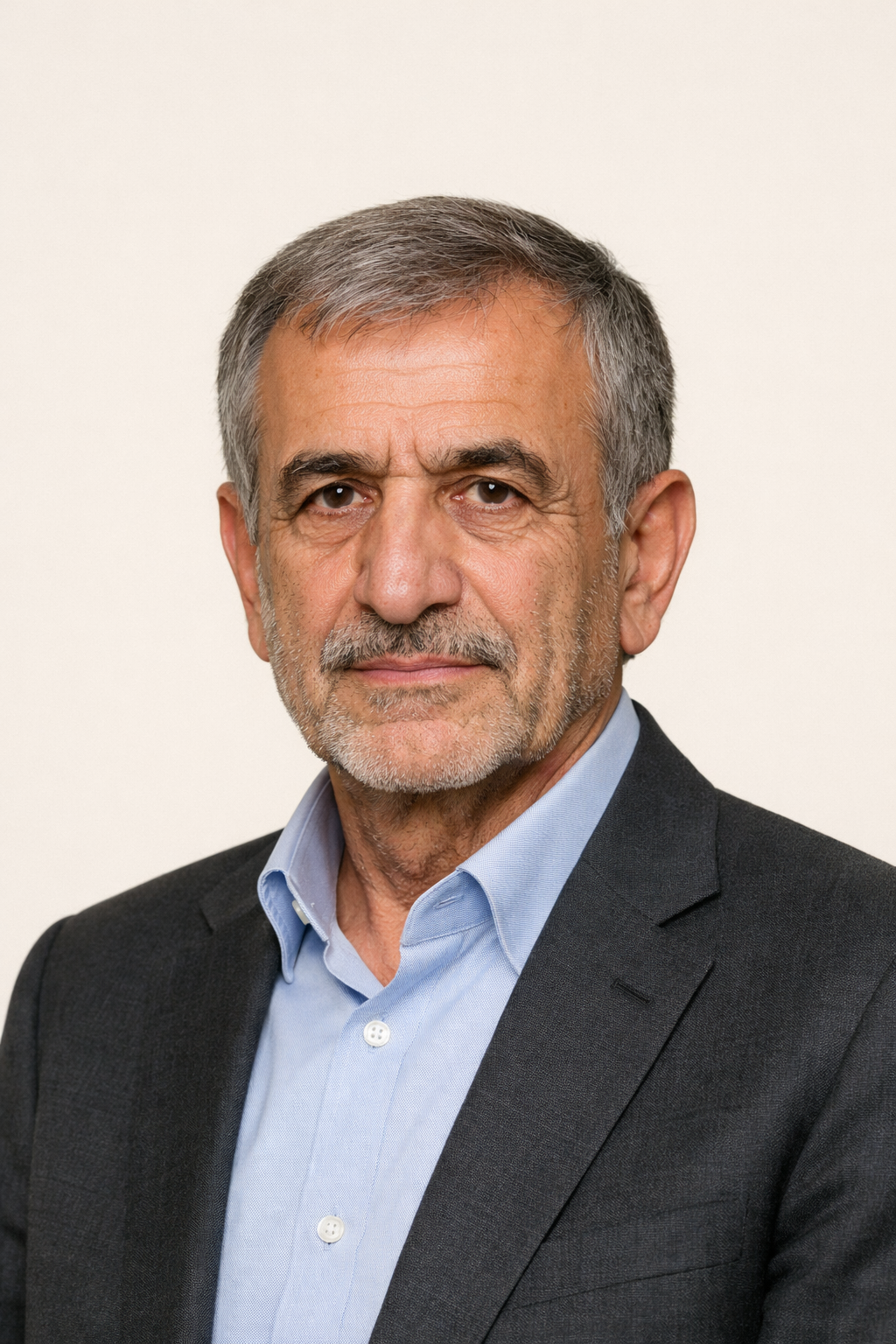
Masoud Pezeshkian
Days after branding U.S. talks meaningless, he met Putin at the CIS summit and said Iran will not walk away from the negotiating table, keeping the Strait of Hormuz shut under a U.S. blockade.
Masoud Pezeshkian is running two tracks at once: Iranian naval forces struck an LPG carrier south of the Strait of Hormuz this week while he insisted Iran will not walk away from the negotiating table. Days after branding U.S. talks meaningless, he told Vladimir Putin at the CIS summit in Turkmenistan that Iran stays at the table even though, in his telling, Washington attacks every time the two sides negotiate.
Moscow is his most active diplomatic channel. Putin met him on Oct 8, pledged Russia's full resources to help end the war, and is mediating with Donald Trump, who has welcomed the Russian role and ruled out further attacks on Iran before the November midterms. Putin has also put a proposal on removing enriched uranium on the table; Pezeshkian denies Iran is pursuing nuclear weapons, citing religious prohibitions, and will not accept structural concessions unless sanctions are lifted.
The Hormuz standoff with Trump is unchanged. Iran keeps the strait shut until the U.S. lifts its naval blockade, releases $12 billion in frozen assets and waives oil sanctions; Trump says the waterway belongs to the United States Navy and warns Iran signs the deal or it will not exist any longer. Pezeshkian is reviewing a U.S. counterproposal, carried by Qatari mediators, for a seven-day ceasefire, and insists any agreement must be win-win.
At home he is asking Iranians to ration electricity, gas and water, saying the condition for resisting the West is for everyone to endure hardship, and he has installed a new acting oil minister after accepting Oil Minister Mohsen Paknejad's resignation amid allegations of billions in missing export receipts. Abroad he has pitched a CIS+1 cooperation format and is building economic lifelines through Armenia and Azerbaijan.
On their plate
Putin met him on Oct 8 on the sidelines of the CIS summit in Turkmenistan and pledged Russia's full resources to help end the war, with the two agreeing to accelerate cooperation in energy, agriculture, transportation and trade. Trump has welcomed Moscow's mediation and ruled out further attacks on Iran before the Nov. 3 midterms, while Putin has pushed a Russian proposal on removing enriched uranium.
Iran keeps the strait shut until the U.S. lifts its naval blockade, releases $12 billion in frozen assets and waives oil sanctions; Trump insists the waterway belongs to the United States Navy and warns Iran signs the deal or it will not exist any longer. Pezeshkian is reviewing a U.S. counterproposal, carried by Qatari mediators, for a seven-day ceasefire and framework to end hostilities, while insisting any agreement be win-win. He held the line that Iran will not abandon the negotiating table even as IRGC naval forces struck an LPG carrier south of the strait.
He denies Iran is pursuing nuclear weapons, citing religious prohibitions, and says Tehran will not accept structural concessions unless economic sanctions are lifted. U.S. officials say there can be no progress without movement on the nuclear file, and Putin has floated a proposal on removing enriched uranium.
He has called on the public to ration electricity, gas and water to protect industrial production, telling Iranians the condition for resisting the West is for everyone to endure hardship. He accepted Oil Minister Mohsen Paknejad's resignation on Oct 5 amid allegations of roughly $2 billion to $10 billion in missing oil export receipts and installed National Iranian Oil Company chief Hamid Bovard as acting minister.
At the CIS summit he pitched a CIS+1 format for flexible dialogue between Iran and the member states, urging a multipolar system of interdependence, and met Armenian Prime Minister Nikol Pashinyan to discuss strategic projects in Armenia involving Iranian companies. He has also pressed expanded land, air and rail links with Azerbaijan, including winter electricity imports and gas-for-electricity swaps, telling Putin that enemies cannot easily blockade a country with 15 neighboring countries.
Key relationships
The two presidents clashed in person at the UN General Assembly, where Trump threatened to annihilate Iran and Pezeshkian answered that Iran would defend itself with utmost strength, accusing Washington of terrorism and aggression. The standoff continues over Hormuz, with Trump warning Iran signs the deal or it will not exist any longer.
Putin has pledged Russia's full resources to help end the war and is mediating the conflict with Trump, while the two leaders agreed to accelerate energy, agriculture, transport and trade cooperation.
The two met at the CIS summit to discuss strategic projects in Armenia involving Iranian companies, with both saying the relationship can reach a new level through sustained high-level contacts.
Met the Azerbaijani deputy prime minister in Tehran to push expanded land, air and rail links, winter electricity imports and gas-for-electricity swaps.
